

Best Insoles for Plantar Fasciitis: An Orthotist’s Guide (2026)
https://insoleclinic.co.uk/best-insoles-for-plantar-fasciitis
Best Insoles for Plantar Fasciitis: An Orthotist’s Guide (2026)
Introduction
If you’ve ever felt a sharp pain under your heel when taking your first few steps in the morning, you may be experiencing plantar fasciitis. It is one of the most common causes of heel pain. As an orthotist, I regularly see patients who have lived with heel pain for months before seeking help. The right combination of supportive footwear, appropriate insoles, stretching exercises and activity modification can often help improve comfort.
What is Plantar Fasciitis?
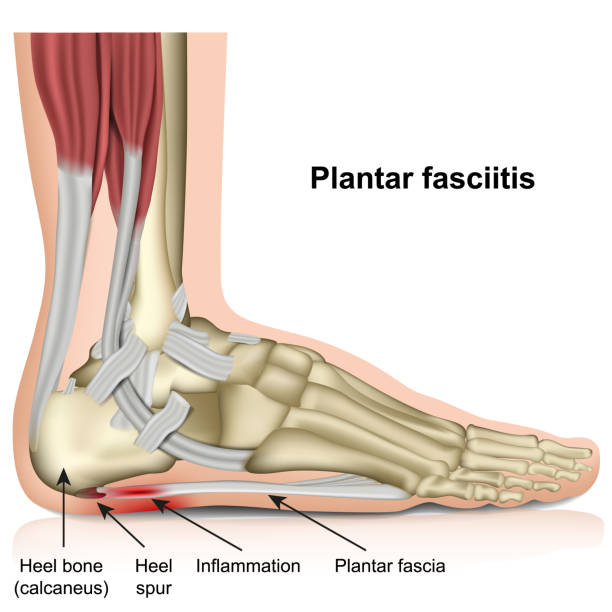
The plantar fascia is a strong band of tissue running from the heel bone to the toes. It supports the arch of the foot and helps absorb forces during walking and running. Repeated strain can lead to irritation and pain, especially around the heel.
Common Symptoms
• Sharp heel pain when getting out of bed
• Pain after standing for long periods
• Heel tenderness
• Tightness in the arch
• Pain after activity
Can Insoles Help?
Supportive insoles can help reduce strain on the plantar fascia by improving foot support, distributing pressure more evenly and absorbing shock. They work best alongside appropriate footwear and stretching exercises.
What to Look for in an Insole
Choose an insole with firm arch support, a deep heel cup, shock-absorbing material and a comfortable fit inside your footwear.
Advice from an Orthotist
One of the most common mistakes I see is people buying the softest insole available. Comfort is important, but support and suitability for your foot shape are equally important. Different people need different types of insoles depending on their feet, footwear and daily activities.
Other Ways to Manage Plantar Fasciitis
Stretch your calves and plantar fascia regularly, wear supportive footwear, avoid walking barefoot on hard floors if painful, and replace worn shoes when support has deteriorated.
Exercise:
Standing Exercise:
- Place hands on the wall for support.
- Keep your feet straight with one leg ahead, knee flex,ed and close to the wall
- The back leg should have a straight knee
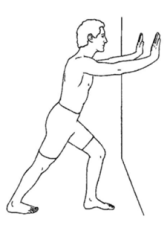
- Shift forward, keeping the back leg heel on the ground, so that you feel a stretch in the calf muscle of the back leg.
- Hold 45 seconds, 2-3 times. Repeat 4-6 times per day
Calf Stretch
- Stand with uninvolved foot flat on a step
- Place the involved ball of the foot on the edge of the step.
- Gently let the heel lower on the involved leg to feel a stretch in your calf
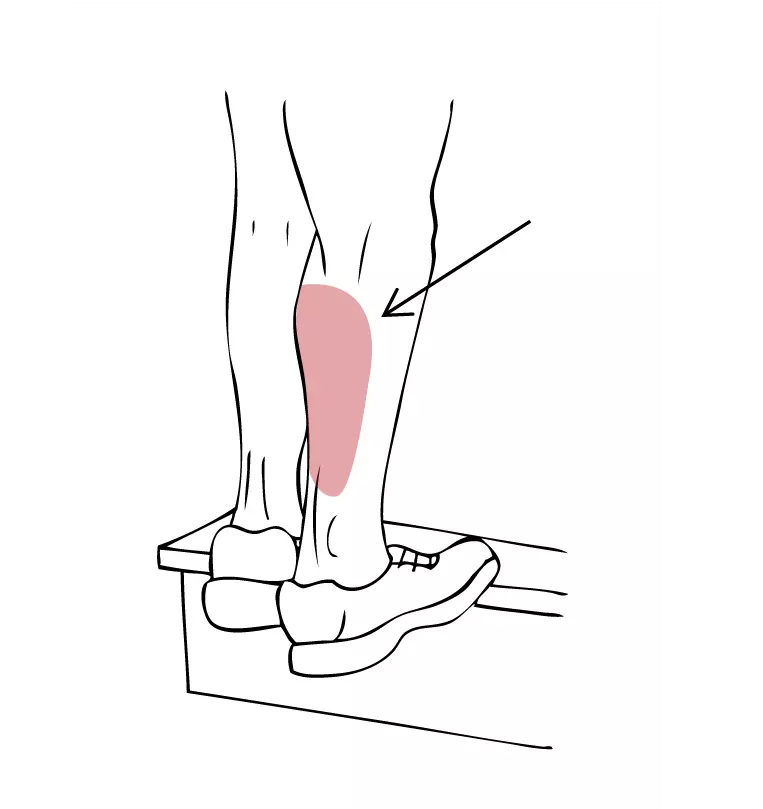
- Hold 45 seconds, 2-3 times. Repeat 4-6 times per day
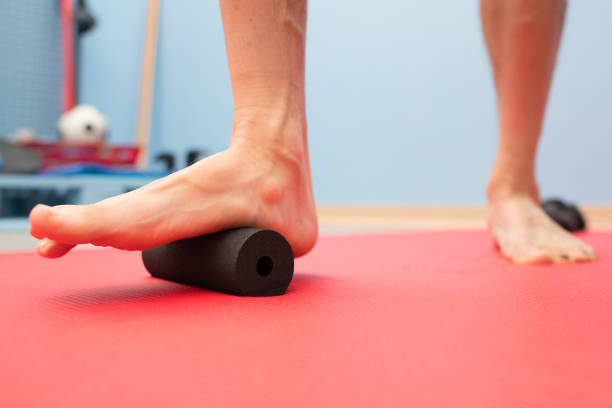
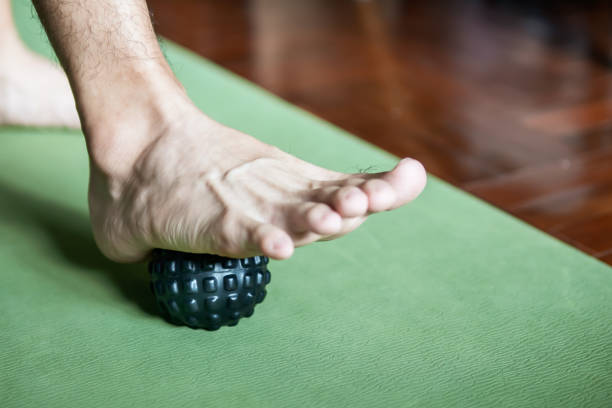
Arch roll, Ice Massage
- Rest your foot on a frozen can or water bottle, golf or tennis ball
- Roll your foot back and forth over the object.
- Repeat for 3-5 minutes, 2 times per day
Night Splints
Night splints are commonly used as part of the conservative management of plantar fasciitis. They hold the ankle in a neutral or slightly dorsiflexed position during sleep, helping to reduce shortening of the plantar fascia and Achilles tendon overnight.
Some patients experience reduced morning pain and stiffness when night splints are combined with supportive insoles, stretching exercises and appropriate footwear.
Night Splints – Advice from an Orthotist
In my clinical practice, morning heel pain is one of the most common symptoms reported by people with plantar fasciitis. For suitable patients, a night splint can be a useful addition to treatment. By maintaining a gentle stretch of the plantar fascia and calf muscles overnight, it may help reduce pain and stiffness when getting out of bed.
Night splints are generally most effective when used alongside supportive footwear, appropriate insoles, calf stretching exercises and advice tailored to the individual’s needs.
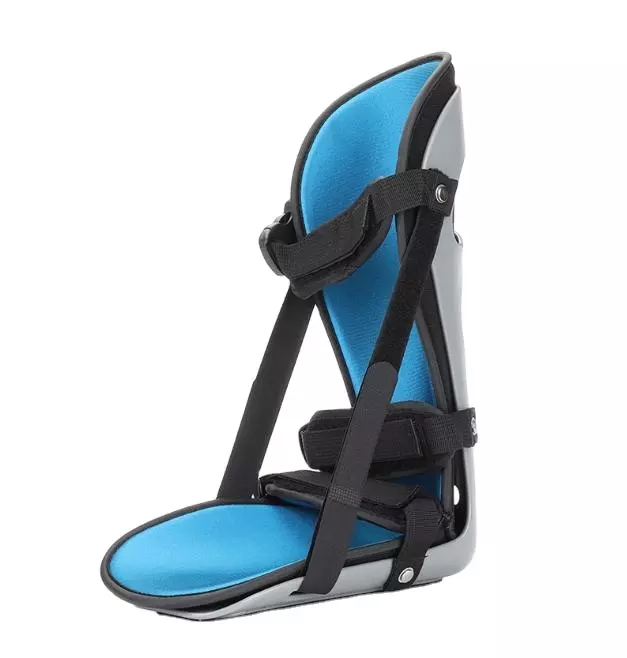
Benefits:
- to maintain stretch on the plantar fascia, Calf, and Achilles tendon
- to allow healing progress while the foot is placed in a required specific posture
- To ease off the pressure on the foot and allow a comfortable walk
Wearing Instructions
- Wear Night Splint for at least 4-6 weeks at night time.
- Will help to wear in day time if resting for a while.
- Ensure optimum fastening of the ankle straps.
- The heel must be intact with the heel part of the Night Splint
- Your foot should stay at a maximum of close to 90 degrees.
- Mark the strap and can increase the stretch once the range is improved
Night Splint is generally not for walking due to its fragile structure and may break hence the risk of falls and trips
When is a Biomechanical Assessment Recommended?
While supportive insoles can play an important role in managing plantar fasciitis, they may not address every underlying cause of heel pain. In some cases, a comprehensive biomechanical assessment is recommended to identify factors that may be contributing to your symptoms.
A detailed assessment by a qualified Orthotist can evaluate:
- Foot posture and alignment
- Gait (walking pattern)
- Foot and ankle joint movement
- Calf muscle flexibility
- Limb length differences
- Foot deformities, such as flat feet or high arches
- Other mechanical factors that may contribute to plantar fasciitis
Identifying these underlying factors allows treatment to be tailored to your individual needs. Depending on the findings, recommendations may include custom or prefabricated orthoses, footwear advice, stretching and strengthening exercises, activity modification, or referral for further assessment where appropriate.
Persistent or recurrent heel pain should not be ignored, as other conditions can sometimes present with symptoms similar to plantar fasciitis.
Choosing the Right Insoles
At Insole Clinic, we carefully select quality insoles designed to provide comfort, support and durability for everyday life.
Whether you need additional arch support for work, extra cushioning for walking, or support during sport, choosing the right insole can make a real difference.
Explore our range of orthotic and supportive insoles to find the option that best suits your feet, footwear and lifestyle.
Need Expert Advice?
Choosing the right insole can sometimes be confusing, particularly if you’re experiencing heel pain, flat feet, or other foot conditions.
If you’re unsure which insole is most suitable for your needs, we offer a free 10-minute telephone consultation to help guide you towards the most appropriate product.
Simply email us with:
- A brief description of your symptoms
- Your contact number
- A convenient time to call
One of our qualified Orthotists will contact you to discuss your requirements and answer any questions you may have.
If a more detailed assessment is required, a private consultation with an Orthotist can also be arranged.
Email: support@insoleclinic.co.uk
Frequently Asked Questions
How long do insoles take to work?
Some people notice improvement within days, while others need several weeks.
Will insoles cure plantar fasciitis?
They are designed to support the foot and reduce strain as part of a broader management plan.
For general information about plantar fasciitis, you can also read the NHS guidance
